
A physiotherapy clinic owner in Manchester gets three quotes for a new website. One from a local studio, one from a freelancer she found online, and one from an agency on the other side of the world. The prices are all over the place, the proposals use different words for the same things, and she has no idea which one will actually deliver.
We hear versions of this story every week, from Shopify store owners in the US, consultancies in Dubai and coaching institutes in India. If you want to outsource web development, the hard part isn’t finding someone. It’s knowing what to check before you hand over your money and your brand. Here are the ten things we’d tell a friend.
Quick answer: To outsource web development safely, write a clear brief, shortlist teams with verifiable reviews and live work, ask about their process and communication, and agree a written scope with milestones. Make sure you own the domain, hosting and code, and plan for SEO, security and support after launch before you sign anything.
Key takeaways
- A clear brief saves more money than any discount you’ll negotiate.
- Reviews you can verify on independent platforms matter more than a polished portfolio page.
- Time zones are rarely the problem. Unclear communication is.
- You should always own your domain, hosting account and website files.
- Launch day is the start of the work, not the end.
1. Write down what your website actually needs to do
The best way to outsource web development is to start with a one page brief, not a design you like.
List the jobs your site has to do. Take bookings? Sell products? Collect enquiries on WhatsApp or email? Connect to your CRM? Then list the pages you need and two or three sites you like (and why). A dental clinic in London and an online candle shop need very different builds, and a brief makes that obvious to everyone quoting.
Without it, every team guesses, and you end up comparing quotes for three different websites.
2. Decide between a freelancer, a local studio or an offshore agency
Each option suits a different kind of project, so pick the model before you pick the people.
A freelancer can be great for a small brochure site. A local studio is handy if you want face to face meetings. An offshore web development agency usually gives you a full team (design, development, SEO and support) at a budget that works for small businesses. We’ve compared the first two in more detail in our post on WordPress freelancer vs agency.
3. Check real reviews and live websites, not just a portfolio
A portfolio shows what a team wants you to see; reviews and live sites show what they actually deliver.
Open their recent projects on your phone. Do they load quickly? Do the forms work? Then read reviews on platforms they don’t control, such as Google, Clutch or Fiverr. Look for comments about deadlines, communication and what happened after launch, not just “great work”.
4. Ask about their process before you talk about price
A team that can’t explain its process clearly will struggle to run your project clearly.
Ask them to walk you through a typical project: discovery, design, build, testing, launch. How many rounds of revisions are included? Who tests the site, and on which devices? Good answers are specific and a little boring. Vague answers like “we’ll handle everything” are a warning sign.
5. Agree how you’ll communicate across time zones
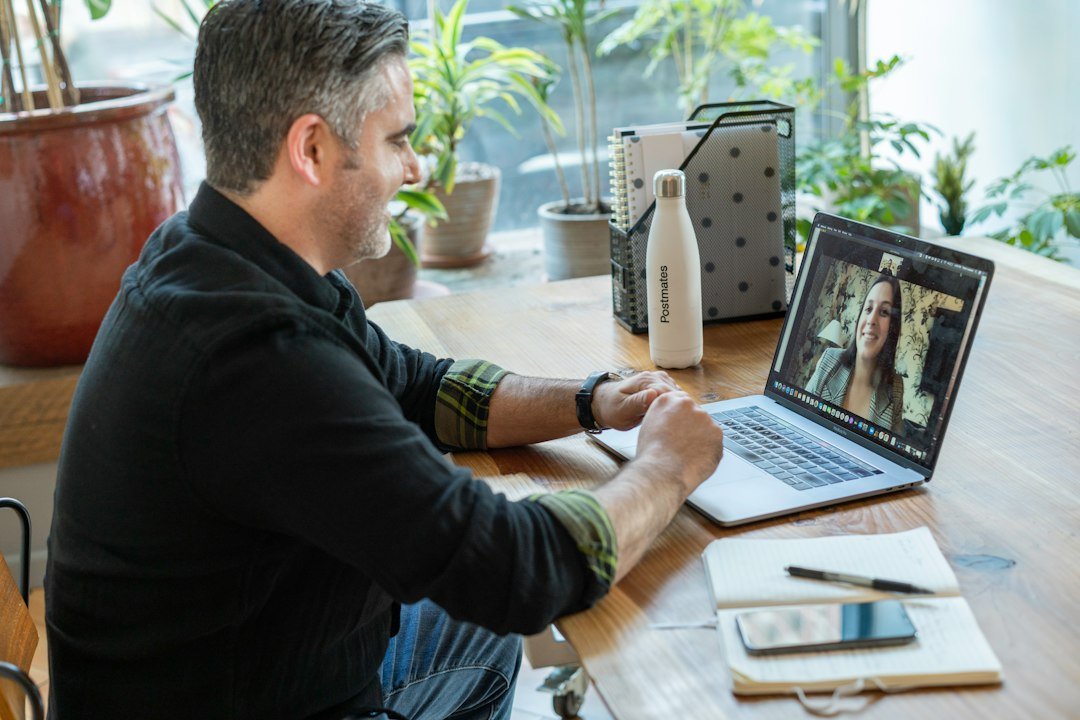
Working with a remote team in another country works well when communication is planned, not left to chance.
Agree a main channel (email, Slack or WhatsApp), a weekly update day and an overlap window for calls. A business in Toronto working with a team in India, for example, can often use the early morning or late evening overlap for a short weekly call. The time difference can even help: you send feedback at the end of your day and wake up to changes.
6. Get a written scope, milestones and payment terms
If it isn’t written in the proposal, assume it isn’t included.
Your agreement should list the pages, features, number of revisions, timeline and what happens if you ask for something extra. Tie payments to milestones, such as approved design, working staging site and go live, rather than paying everything upfront. This protects both sides and keeps the project moving.
7. Make sure you own the domain, hosting and code
Your website is a business asset, so it should be registered and stored in your name.
Register the domain yourself, or make sure it’s in your account. Ask for admin access to the hosting and the CMS, and confirm that you own the design files and code once the project is paid. We’ve seen businesses in Australia and the UAE locked out of their own sites because a past developer held every login. Don’t let that be you.
8. Ask how they handle speed, security and mobile
A website that looks good but loads slowly or gets hacked will cost you enquiries.
Ask how they test performance and whether they check Google’s Core Web Vitals. Ask about SSL, backups, plugin updates and spam protection on forms. If you’re building on WordPress, our WordPress development services page explains how we approach this. For online stores, ask how they’ll handle payments, shipping and product data, which is where Shopify development experience really counts.
9. Build SEO in from day one, not after launch
Fixing SEO after a site goes live is slower and more expensive than building it in from the start.
Ask whether the team plans page structure, headings, URLs, meta titles and redirects from your old site. Google’s own guide on hiring an SEO suggests bringing help in early, ideally during a redesign or new launch. If you want rankings in Google and visibility in AI search tools, look at SEO services alongside the build.
10. Plan for support and growth after launch
The real question isn’t “can you build it?” but “who looks after it next month?”
Ask what support looks like after go live: updates, small changes, backups and fixes. Also ask whether the same team can help you grow, with digital marketing services like SEO and Google or Meta ads. One accountable partner is far easier than three suppliers blaming each other.
Questions to ask before you hire a web development company
| Question to ask | A good sign | A red flag |
|---|---|---|
| Can I speak to or read reviews from past clients? | Verifiable reviews on independent platforms | Only testimonials on their own site |
| What’s your process from brief to launch? | Clear stages, testing and sign offs | “Don’t worry, we’ll handle it” |
| Who owns the domain, hosting and code? | You do, with full admin access | They keep the logins |
| How will we communicate? | Named contact, set channel, weekly updates | No fixed point of contact |
| What happens after launch? | Defined support and maintenance options | Silence once the final invoice is paid |
Where to start
- Write your one page brief (tip 1). It shapes every other decision.
- Shortlist three teams and check their reviews and live sites (tip 3).
- Run each through the questions table above.
- Only sign once ownership, scope and milestones are in writing (tips 6 and 7).
Weighing up a DIY tool instead? Our post on AI website builder limitations covers where those tools fall short.
FAQs
How do I outsource web development?
Start by writing a short brief covering your goals, pages and features. Shortlist two or three teams with verifiable reviews, ask about their process and communication, then agree a written scope with milestones and payment terms. Make sure you own the domain, hosting and code before the project starts.
Is it safe to outsource website development to another country?
Yes, it can be very safe if you choose carefully. Check independent reviews, start with clear written terms, pay against milestones and keep ownership of your domain and hosting. Many businesses worldwide work with offshore agencies successfully because the process, not the location, is what protects them.
How do time zones work with an offshore web development agency?
Time zones are manageable with a simple plan. Agree a shared overlap window for calls, a main messaging channel and a weekly update. Often the gap helps, because you can send feedback at the end of your day and find changes waiting the next morning.
What questions should I ask a web development company before hiring?
Ask who owns the domain, hosting and code, what their process looks like, how many revisions are included, how they test speed and security, who your main contact is, and what support they offer after launch. Clear, specific answers are a good sign.
How much does it cost to outsource web development?
It depends on the number of pages, custom features, integrations and whether you need ongoing support or SEO. A simple brochure site and a custom online store are very different projects. The fairest way to compare is to send the same brief to every team and compare like for like.
Work with WebDroid Technologies
WebDroid Technologies is a web development and digital marketing agency. Our team is based in Indore, India, and we work with businesses all over the world, from custom website development to WordPress, Shopify, SEO and digital marketing. You’ll find client reviews from around the globe on our website and on Fiverr, so you can see how we work before you speak to us.
If you’re thinking of outsourcing your next website, send us your brief. We’ll reply with honest advice, even if that means a simpler option. Get in touch with WebDroid Technologies here.
Have you outsourced a website before? What’s the one thing you wish you’d asked first? Tell us in the comments.